
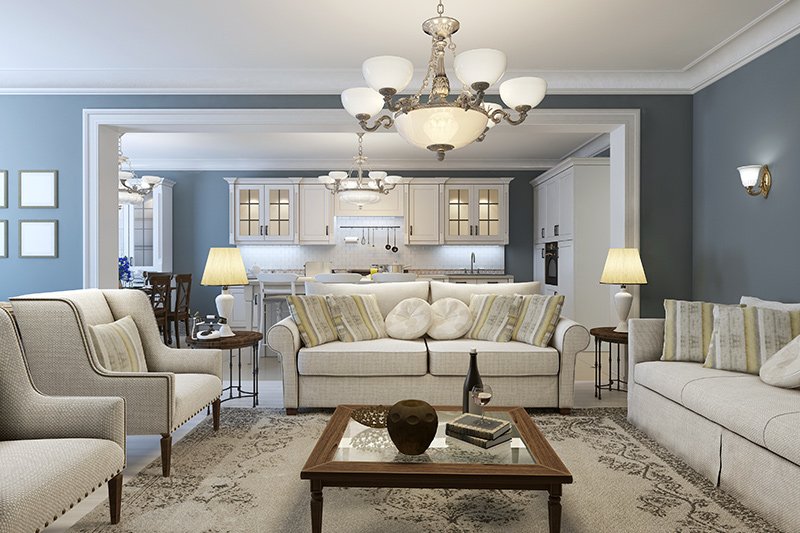
The living room serves as the central hub of your home, a place where family and friends gather to relax, socialize, and create lasting memories. Designing this space thoughtfully can enhance its functionality and aesthetic appeal, making it a welcoming environment for everyone. Let’s explore key elements to consider when creating a living room that reflects your style and meets your needs.
1. Defining Purpose and Functionality
Before diving into design choices, it’s essential to define the purpose of your living room. Consider how you use the space. Is it primarily for entertaining guests, family movie nights, or quiet reading sessions? Identifying its main functions will guide your decisions regarding layout, furniture, and decor.
For instance, if hosting friends is a priority, focus on creating an open, inviting atmosphere with ample seating. If relaxation is the goal, prioritize comfort with cozy chairs, a plush sofa, and soft lighting. The way you envision using the space will shape every aspect of its design.
2. Choosing the Right Layout
The layout of your living room plays a significant role in its overall flow and usability. A well-thought-out arrangement can enhance interaction and make the space feel more expansive.
Start by positioning the main seating area in a way that encourages conversation. A U-shaped or circular seating arrangement often promotes interaction, as everyone can easily face one another. If your living room includes a fireplace or a stunning view, orient the seating to take advantage of these focal points.
Consider the pathways as well; ensure there’s enough space for movement without creating obstacles. An open layout can also make the room feel larger and more welcoming.
3. Selecting Comfortable Furniture
Furniture is the cornerstone of any living room, and choosing the right pieces is crucial for comfort and style. When selecting furniture, prioritize quality and comfort.
Start with the sofa, as it often serves as the room’s centerpiece. Look for materials that are durable yet soft to the touch. Test various options to find the perfect balance of support and comfort. Additionally, consider the size of the sofa in relation to the room; it should fit comfortably without overwhelming the space.
Complement the sofa with chairs and ottomans that provide additional seating and comfort. Mixing different styles—such as a modern chair with a vintage sofa—can add character and visual interest. Don’t forget about coffee tables and side tables, which should be both functional and proportionate to the surrounding furniture.
4. Color Schemes and Textures
Color has a profound impact on the mood of a living room. The right palette can create a warm, inviting atmosphere or a fresh, energetic space.
Choose colors that resonate with your personal style. Neutral tones like beige, gray, or soft white can create a calming backdrop, allowing you to introduce pops of color through accessories such as cushions, rugs, and artwork. If you prefer bold statements, consider painting an accent wall in a rich hue or using vibrant decor items to liven up the space.
Textures also play a vital role in creating a layered and inviting environment. Mix soft fabrics—such as velvet or linen—with harder materials like wood or metal to add depth. A plush area rug can anchor the room, while throw pillows and blankets contribute to a cozy feel.
5. Incorporating Lighting
Lighting is a key element that influences the ambiance of your living room. A well-lit space can enhance mood and functionality, while poor lighting can make it feel uninviting.
Consider a combination of ambient, task, and accent lighting. Ambient lighting provides overall illumination, while task lighting, such as floor lamps or table lamps, offers focused light for reading or activities. Accent lighting, like wall sconces or decorative fixtures, can highlight artwork or architectural features, adding visual interest.
Be mindful of natural light as well. Maximize sunlight by using sheer curtains that allow light to filter through while maintaining privacy. Position mirrors strategically to reflect light and create a brighter, more spacious feel.
6. Adding Personal Touches
Your living room should reflect your personality and tell your story. Incorporating personal touches makes the space uniquely yours and fosters a sense of belonging.
Display cherished items such as family photos, travel souvenirs, or meaningful artwork. Consider creating a gallery wall that showcases your favorite pieces, mixing frames and styles for an eclectic look.
Incorporating elements that reflect your interests, such as bookshelves filled with favorite reads or a music corner, can make the space feel even more inviting. The goal is to create an environment where you and your guests feel at home.
7. Embracing Nature with Greenery
Bringing nature indoors can enhance the atmosphere of your living room, adding life and freshness to the space. Houseplants not only improve air quality but also contribute to a calming environment.
Choose plants that suit your lifestyle and maintenance preferences. Low-maintenance varieties like snake plants or pothos are excellent options for those new to gardening. For a more vibrant look, consider larger plants like fiddle leaf figs or palms, which can serve as stunning focal points.
Incorporating natural elements extends beyond plants; consider using wooden furniture, stone accents, or woven textiles to create a harmonious connection with nature.
8. Maintaining Organization
A clutter-free living room promotes a sense of peace and relaxation. To maintain organization, invest in storage solutions that fit seamlessly into your design.
Use stylish baskets or decorative boxes to store items like blankets and magazines, keeping surfaces tidy. Furniture with built-in storage, such as ottomans or coffee tables with compartments, can be both functional and chic.
Regularly assess your belongings and declutter items that no longer serve a purpose. A well-organized living room not only looks appealing but also enhances your overall enjoyment of the space.
By thoughtfully considering these elements, you can create a living room that is both functional and inviting—a true reflection of your personal style. This heart of the home will become a cherished gathering place for family and friends, where memories are made and moments are celebrated. Embrace the process of designing your living room, and let it transform into a space that nurtures connection and comfort.
 Living Home Design Blog