
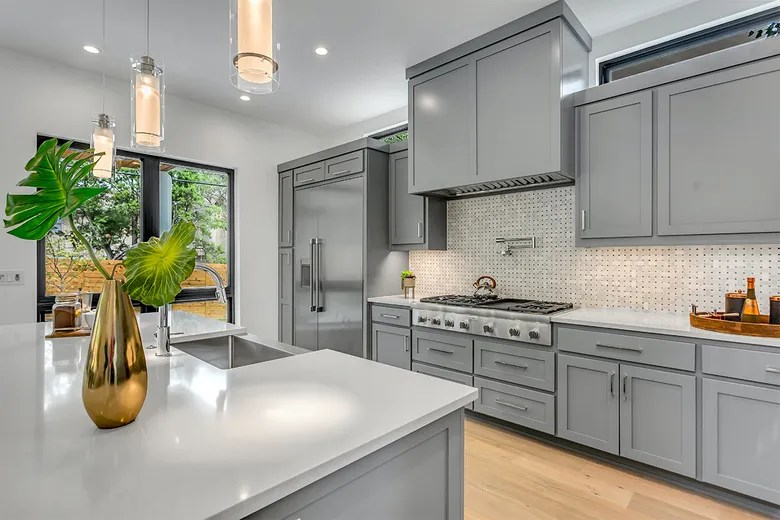
Remodeling can be an exhilarating yet daunting task. Whether you’re updating your kitchen, enhancing your bathroom, or giving your entire home a makeover, understanding the nuances of remodeling is crucial for achieving the results you desire. This comprehensive guide will explore the essential aspects of remodeling, offering valuable insights and practical tips to help you navigate this transformative process.
Understanding Your Vision
Before diving into the remodeling process, it’s essential to clarify your vision. What do you want to achieve with this remodel? Are you aiming for increased functionality, improved aesthetics, or perhaps both? Start by gathering inspiration from various sources, such as magazines, websites, and social media platforms. Create a vision board to visualize your ideas, including colors, materials, and design styles. This will serve as a guide throughout the process, helping you stay focused on your goals.
Setting a Budget
Remodeling can quickly become an expensive endeavor if not carefully planned. Establishing a realistic budget is paramount. Begin by determining how much you can afford to spend and then consider all aspects of the project, including materials, labor, permits, and unforeseen costs. It’s advisable to allocate an additional 10-20% of your budget for unexpected expenses that may arise during the remodel. This safety net ensures you won’t face financial strain if something goes awry.
Hiring the Right Professionals
Choosing the right team of professionals is critical to the success of your remodeling project. Depending on the scale of your remodel, you may need to enlist various experts, including architects, interior designers, contractors, and specialized tradespeople. Take the time to research and interview potential candidates, asking for references and reviewing their previous work. Look for professionals who share your vision and can communicate effectively, as a solid partnership will significantly influence the outcome of your remodel.
Planning and Design
With your vision and budget in place, it’s time to move on to the planning and design phase. Work closely with your design team to create detailed plans that encompass both functionality and aesthetics. This stage involves selecting materials, colors, fixtures, and layouts that align with your vision. Consider how each element interacts with the others; a cohesive design will enhance the overall appeal of your space.
Obtaining Permits
Many remodeling projects require permits, especially those that involve structural changes, electrical work, or plumbing. Check with your local building department to determine the necessary permits for your project. Obtaining these permits is crucial, as they ensure your remodel complies with safety and zoning regulations. Failing to secure the appropriate permits can lead to fines or complications when selling your home in the future.
Demolition and Construction
Once your plans are finalized and permits secured, it’s time to roll up your sleeves and begin the demolition and construction phase. This is often the most exciting yet chaotic part of the remodeling process. Prepare your home for the mess and disruption that accompanies construction. Ensure that you communicate clearly with your contractor about timelines and any concerns you may have during this stage. Regular check-ins can help keep the project on track and address any issues as they arise.
Interior Finishing Touches
After the bulk of construction is complete, it’s time to focus on the interior finishing touches. This stage involves painting, installing flooring, and adding fixtures and cabinetry. Pay special attention to lighting, as it can dramatically alter the ambiance of your space. Consider layering different types of lighting, such as ambient, task, and accent lighting, to create a well-lit environment that is both functional and inviting.
Landscaping and Curb Appeal
Don’t overlook the exterior of your home during the remodeling process. Enhancing your curb appeal can significantly impact the overall perception of your property. Simple updates like fresh paint, new siding, or an updated front door can make a substantial difference. Additionally, consider landscaping elements such as gardens, pathways, and outdoor lighting. A well-designed exterior complements your interior renovations and provides a cohesive look.
Final Walkthrough and Adjustments
Once your remodel is complete, conduct a final walkthrough with your contractor. This is the time to address any final adjustments or touch-ups that may be necessary. Make sure everything aligns with your original vision and meets your expectations. If any issues arise, discuss them promptly to ensure they are resolved before the project is officially closed.
Enjoying Your Transformed Space
Finally, it’s time to enjoy the fruits of your labor. Moving into your newly remodeled space should be a moment of joy and satisfaction. Take the time to appreciate the transformation, and share your success with friends and family. Remember that your home is not just a physical space; it reflects your personality and lifestyle. Embrace the changes and create lasting memories in your beautifully remodeled home.
 Living Home Design Blog