
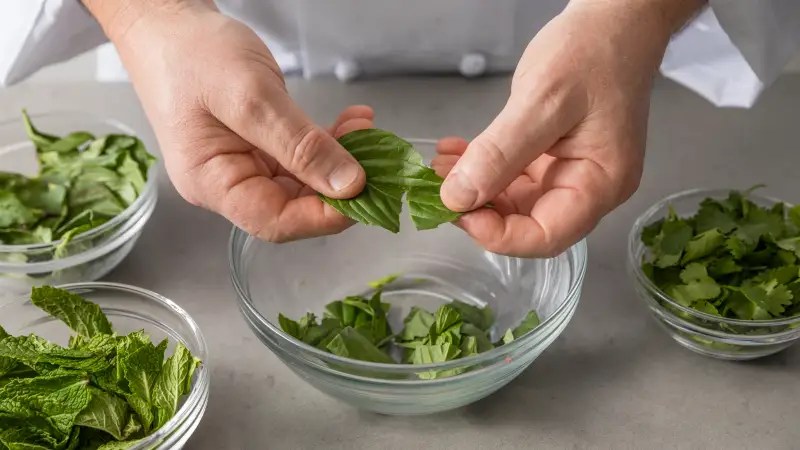
Fresh herbs are a game-changer in the kitchen, bringing vibrant flavors and aromas to a wide variety of dishes. Their versatility can transform a mundane meal into a culinary delight. Whether you’re a seasoned chef or a kitchen novice, understanding how to cook with fresh herbs will enhance your cooking and open up a world of flavor. Here’s how to make the most of these green gems, along with some delicious recipes to inspire you.
Understanding Fresh Herbs
Types of Fresh Herbs:
Herbs can be classified into two main categories: leafy herbs and woody herbs.
- Leafy Herbs: Examples include basil, parsley, cilantro, and dill. These herbs are tender and typically used fresh. They can be chopped and added to dishes toward the end of cooking to preserve their flavor.
- Woody Herbs: These include rosemary, thyme, oregano, and sage. They have a sturdier structure and can withstand longer cooking times. Woody herbs are often added at the beginning of cooking to allow their flavors to infuse into the dish.
Tips for Cooking with Fresh Herbs
- Choose Fresh Herbs Wisely Selecting high-quality, fresh herbs is key. Look for vibrant colors and a fresh aroma. Avoid herbs that appear wilted or have brown spots. If you can, consider growing your own herbs. They can thrive on a windowsill and are easy to maintain, providing a constant supply.
- Store Fresh Herbs Properly Fresh herbs have a short shelf life. To extend their freshness:
- For Leafy Herbs: Trim the stems and place them in a glass of water, covering the leaves loosely with a plastic bag. Store them in the refrigerator.
- For Woody Herbs: Wrap them in a damp paper towel and place them in a plastic bag in the refrigerator. This helps retain moisture while preventing wilting.
- Know When to Add Herbs The timing of adding herbs can greatly affect the dish’s flavor:
- At the Beginning: Woody herbs like rosemary and thyme release their flavors slowly, so they should be added early in the cooking process. This allows their essential oils to infuse into the dish.
- At the End: Leafy herbs should be added toward the end of cooking or as a garnish. This preserves their bright flavors and vibrant colors.
- Chop with Care When chopping herbs, use a sharp knife to avoid bruising the leaves, which can release bitterness. A gentle rocking motion with the knife will yield a fine chop without damaging the herbs. For whole leaves, consider tearing them by hand for a more rustic presentation and to release their essential oils.
- Experiment with Combinations Don’t be afraid to mix and match different herbs. For instance, pairing basil with mint can brighten up a dish, while rosemary and thyme create a robust flavor profile. Explore different combinations to find what suits your taste.
Simple Recipes Featuring Fresh Herbs
1. Herb-Infused Olive Oil
This versatile oil can be drizzled over salads, pasta, or grilled meats for an extra layer of flavor.
Ingredients:
- 1 cup extra virgin olive oil
- 1 cup fresh herbs (such as basil, thyme, or rosemary)
- 2 cloves garlic (optional)
Instructions:
- In a small saucepan, gently heat the olive oil over low heat.
- Add the fresh herbs and garlic, if using. Heat for about 10-15 minutes, ensuring the oil doesn’t boil.
- Remove from heat and let cool. Strain the oil into a clean bottle.
- Store in the refrigerator for up to two weeks. Use as needed.
2. Cilantro Lime Rice
This fragrant side dish pairs beautifully with tacos, grilled chicken, or fish.
Ingredients:
- 1 cup long-grain rice
- 2 cups water
- 1 tablespoon olive oil
- Juice and zest of 1 lime
- 1/2 cup chopped fresh cilantro
- Salt to taste
Instructions:
- Rinse the rice under cold water until the water runs clear.
- In a pot, combine rice, water, and olive oil. Bring to a boil.
- Reduce heat to low, cover, and simmer for 15-20 minutes or until the rice is tender and water is absorbed.
- Remove from heat and let it sit, covered, for 5 minutes.
- Fluff the rice with a fork, then stir in lime juice, zest, cilantro, and salt. Serve warm.
3. Herbed Chicken Marinade
This marinade infuses chicken with vibrant flavors, making it juicy and delicious.
Ingredients:
- 4 boneless, skinless chicken breasts
- 1/4 cup olive oil
- 2 tablespoons lemon juice
- 2 cloves garlic, minced
- 1 tablespoon chopped fresh rosemary
- 1 tablespoon chopped fresh thyme
- Salt and pepper to taste
Instructions:
- In a bowl, whisk together olive oil, lemon juice, garlic, rosemary, thyme, salt, and pepper.
- Place chicken breasts in a resealable bag or shallow dish. Pour the marinade over the chicken, ensuring it’s well coated.
- Marinate in the refrigerator for at least 30 minutes (up to 4 hours for more flavor).
- Preheat the grill or a skillet over medium-high heat. Cook chicken for 6-7 minutes per side or until cooked through. Let rest before slicing.
4. Pesto Sauce
Pesto is a classic herb-based sauce that can be used in a variety of dishes.
Ingredients:
- 2 cups fresh basil leaves
- 1/2 cup grated Parmesan cheese
- 1/2 cup olive oil
- 1/3 cup pine nuts (or walnuts)
- 2 cloves garlic
- Salt to taste
Instructions:
- In a food processor, combine basil, Parmesan cheese, pine nuts, and garlic. Pulse until coarsely chopped.
- With the processor running, gradually add olive oil until the mixture is smooth. Season with salt to taste.
- Use immediately or store in an airtight container in the refrigerator for up to a week.
Enjoying the Freshness
Cooking with fresh herbs is a delightful way to enhance flavors, add nutritional benefits, and bring a sense of freshness to your meals. By understanding how to select, store, and use these vibrant ingredients, you can transform ordinary dishes into extraordinary culinary experiences. Experiment with different herbs and recipes, and let your creativity flourish in the kitchen. Happy cooking!
 Living Home Design Blog