
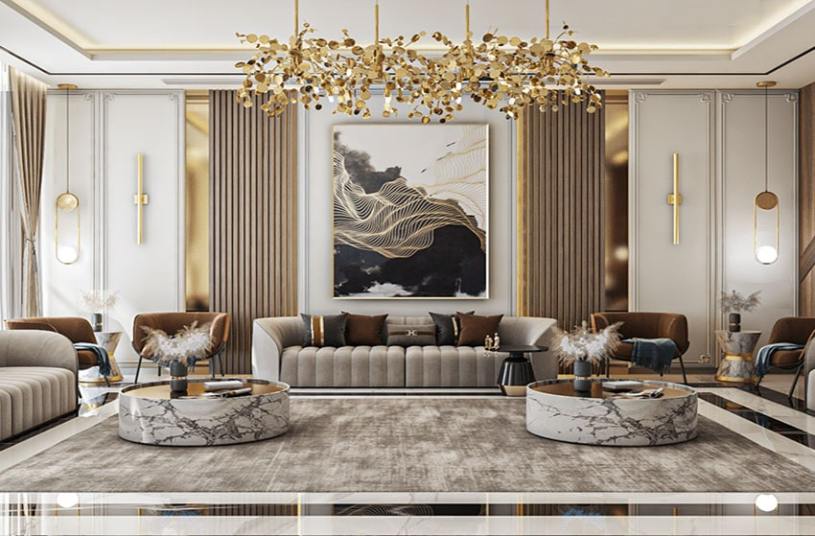
Interior design is more than just arranging furniture and choosing paint colors; it’s a multifaceted discipline that blends aesthetics with functionality. Whether you’re revamping a single room or an entire home, understanding the principles of interior design can significantly enhance the beauty and livability of your space. This article delves into key concepts and practices that define effective interior design.
Understanding Space Planning
Space planning is the foundation of interior design. It involves assessing how space will be used and ensuring it meets the needs of its occupants. An effective layout promotes flow and accessibility, making it easy to move around. Considerations include:
- Traffic Patterns: Understanding how people move through a space is crucial. Identify the pathways and ensure that furniture placement does not obstruct movement.
- Functionality: Each room should serve its intended purpose efficiently. For instance, a living room should encourage conversation, while a home office needs to facilitate productivity.
- Zoning: This involves dividing larger spaces into smaller, functional areas. In an open-plan living area, for example, you might create distinct zones for lounging, dining, and working using rugs, furniture arrangements, or lighting.
Color Theory in Design
Color plays a vital role in setting the mood of a space. Different colors evoke various feelings and reactions, making the understanding of color theory essential for any interior designer.
- Warm Colors: Reds, oranges, and yellows create a vibrant and energetic atmosphere. They are often used in social spaces like kitchens and living rooms.
- Cool Colors: Blues, greens, and purples tend to evoke calmness and serenity. These hues are perfect for bedrooms or bathrooms, spaces where relaxation is key.
- Neutral Colors: Whites, grays, and beiges serve as versatile backdrops that can complement bolder accents. They provide a timeless appeal and can make spaces appear larger.
When choosing a color palette, consider how different shades interact with one another and how they reflect light throughout the day.
Texture and Materials
Incorporating various textures and materials adds depth and interest to interior design. It creates a tactile experience and can dramatically influence the ambiance of a room.
- Soft Textures: Fabrics like velvet, silk, or cotton can add warmth and comfort. Plush cushions, throws, and upholstered furniture contribute to a cozy atmosphere.
- Hard Textures: Materials such as wood, metal, and stone introduce a robust feel. For example, reclaimed wood accents can bring a rustic charm, while sleek metal fixtures can convey modernity.
- Layering: Mixing different textures enriches a design. A soft, fluffy rug paired with a sleek leather sofa creates contrast and visual intrigue, making the space more inviting.
The Role of Lighting
Lighting is one of the most crucial elements of interior design, influencing not only how a space looks but also how it feels. A well-thought-out lighting scheme can transform a room.
- Natural Light: Maximizing natural light is essential for creating an uplifting environment. Use sheer curtains or strategically placed mirrors to reflect light and brighten up spaces.
- Layered Lighting: Incorporating various light sources—ambient, task, and accent—ensures versatility. Ambient lighting provides overall illumination, task lighting focuses on specific areas (like reading nooks), and accent lighting highlights artwork or architectural features.
- Adjustable Lighting: Dimmers offer flexibility, allowing you to alter the mood of a room according to the time of day or occasion.
Personal Touches and Accessories
Finally, personalizing a space through accessories and decor is what truly makes it feel like home. Consider the following elements:
- Artwork: Selecting pieces that resonate with your personality adds character. Whether it’s a statement painting or a gallery wall of personal photographs, art can serve as a focal point.
- Plants: Incorporating greenery not only purifies the air but also brings life and vibrancy to interiors. Choose plants that suit your space’s lighting conditions and your level of commitment to maintenance.
- Collectibles: Displaying items collected from travels or family heirlooms tells a story and makes the space uniquely yours.
Conclusion
Mastering the art of interior design requires a blend of creativity, technical knowledge, and an understanding of human behavior. By focusing on space planning, color theory, texture, lighting, and personal expression, anyone can create spaces that are not only aesthetically pleasing but also functional and reflective of individual style. Embracing these principles can transform any environment into a harmonious sanctuary that feels inviting and inspiring.
 Living Home Design Blog