
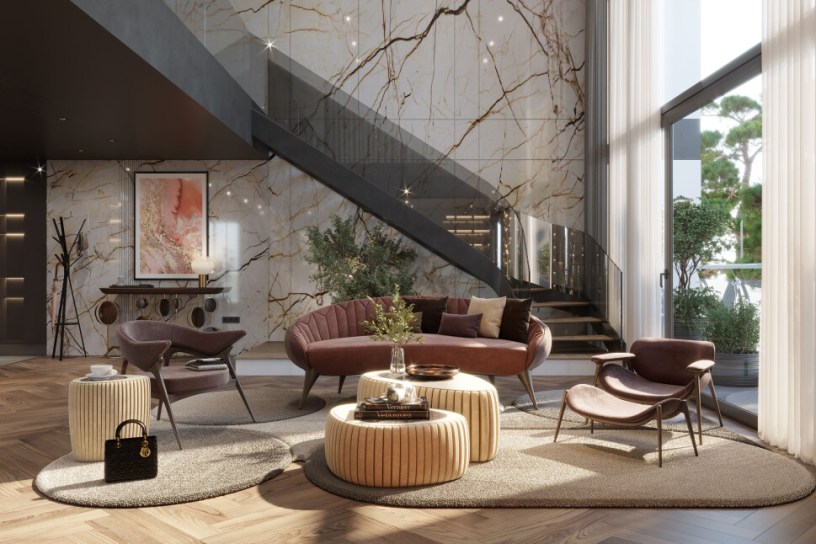
Interior design is a dynamic blend of creativity and functionality, where every element works together to create an inviting and practical environment. From selecting colors to arranging furniture, the intricacies of interior design can transform a mundane space into a breathtaking haven. This article explores the fundamental aspects of interior design, offering insights into how to cultivate a harmonious atmosphere in any setting.
The Foundation: Space Planning
At the heart of effective interior design lies space planning, the art of arranging spaces in a way that maximizes utility while maintaining aesthetic appeal. Thoughtful space planning is essential for ensuring that a room serves its intended purpose while remaining comfortable and accessible.
- Understanding Flow: A well-designed space allows for smooth movement. When planning a layout, consider how people will navigate through the area. Clear pathways should be established, ensuring furniture doesn’t obstruct movement.
- Functionality Matters: Every room should be designed with its function in mind. For example, a home office should promote focus and efficiency, while a living room should encourage relaxation and conversation. Each piece of furniture should contribute to the room’s overall purpose.
- Creating Zones: In larger spaces, zoning is an effective technique to create distinct areas within a room. For instance, in an open-plan living space, a cozy reading nook can be established using a small bookshelf and a comfortable chair, delineating the space without physical barriers.
The Impact of Color
Color profoundly influences mood and perception, making it a vital consideration in interior design. Understanding color theory allows designers to manipulate feelings and create desired atmospheres.
- Warm Tones: Colors like red, orange, and yellow are stimulating and can create a sense of warmth and energy. These hues work well in social spaces, such as dining rooms or kitchens, where lively interaction is encouraged.
- Cool Tones: Shades of blue, green, and violet evoke calm and tranquility. These colors are ideal for spaces dedicated to relaxation, such as bedrooms or spa-like bathrooms, where serenity is paramount.
- Neutral Colors: Whites, grays, and beiges serve as versatile backgrounds that allow other colors to shine. They can create a timeless elegance and make spaces appear larger and more open.
When selecting a color palette, consider how various colors will interact with one another and how they will change throughout the day with different lighting conditions.
The Role of Texture and Material
Incorporating various textures and materials adds richness to interior design, enhancing the sensory experience of a space.
- Soft Textures: Fabrics such as velvet, linen, and cotton introduce warmth and comfort. Plush throw pillows, soft rugs, and cozy blankets can make a room feel inviting and lived-in.
- Hard Textures: Wood, stone, and metal bring a sense of solidity and durability. A reclaimed wood coffee table can serve as a stunning focal point, while sleek metal fixtures contribute to a modern aesthetic.
- Layering Elements: Mixing textures adds depth and visual interest. For instance, a smooth leather sofa paired with a knitted throw creates a pleasing contrast that invites touch and interaction.
Lighting: The Key to Atmosphere
Lighting is a crucial component of interior design, significantly influencing the ambiance of a room. A well-considered lighting scheme enhances functionality while adding character.
- Natural Light: Maximizing natural light not only brightens a space but also uplifts the spirit. Use sheer curtains to allow sunlight to filter through, and position mirrors strategically to reflect light and create a sense of openness.
- Layered Lighting Design: Effective lighting involves a combination of ambient, task, and accent lighting. Ambient lighting provides overall illumination, task lighting focuses on specific activities (like reading), and accent lighting highlights artwork or architectural features.
- Dimmers for Versatility: Installing dimmer switches allows for adjustable lighting levels, enabling you to create the desired mood for any occasion. Soft lighting during dinner parties can create an intimate atmosphere, while brighter lighting is ideal for workspaces.
Personalization and Accessories
Ultimately, the soul of a space lies in its personalization. Accessories and decor are the finishing touches that bring character and uniqueness to a room.
- Art and Decor: Artwork is a powerful means of self-expression. Selecting pieces that resonate with you not only personalizes your space but also sparks conversation. Whether it’s a bold painting or a gallery wall of cherished photographs, art adds a unique dimension.
- Indoor Plants: Incorporating greenery breathes life into interiors. Plants not only enhance aesthetics but also purify the air and promote well-being. Choose low-maintenance varieties if you’re new to gardening, or select plants that thrive in the specific lighting conditions of your space.
- Sentimental Items: Displaying personal items, such as travel souvenirs or family heirlooms, can create a sense of nostalgia and connection. These pieces tell a story and make a space feel genuinely lived in.
Bringing It All Together
Interior design is an art that combines functionality, aesthetics, and personal expression. By focusing on space planning, understanding color psychology, incorporating texture, mastering lighting, and adding personal touches, anyone can create a space that is not only beautiful but also meaningful. The careful consideration of these elements transforms any environment into a sanctuary, where each detail contributes to a cohesive and inviting atmosphere.
 Living Home Design Blog