
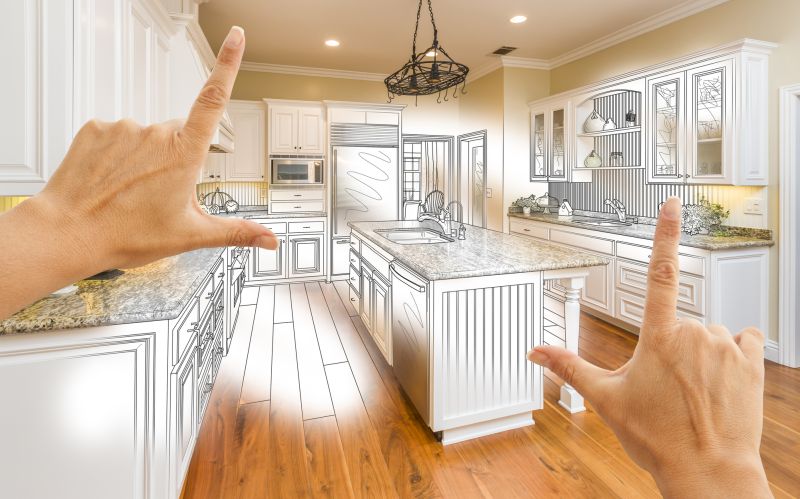
Remodeling your home can be one of the most rewarding experiences, allowing you to infuse new life into your living spaces. Whether you’re looking to enhance functionality, improve aesthetics, or increase the value of your property, understanding the remodeling process is essential. This guide will walk you through the various stages of remodeling, providing insights and practical advice to ensure a successful transformation.
Defining Your Remodeling Goals
The first step in any remodeling project is to clearly define your goals. What do you want to achieve? Are you focused on modernizing your kitchen, expanding your living area, or creating a more energy-efficient home? Take time to reflect on your needs and desires. It might be helpful to jot down a list of priorities and must-haves. This clarity will guide every decision you make throughout the remodeling process.
Establishing a Budget
Setting a realistic budget is crucial. Determine how much you’re willing to spend and break down the costs associated with your project. Consider materials, labor, permits, and a buffer for unexpected expenses—typically, an additional 10-20% of your overall budget. This financial planning will help you avoid overspending and ensure that you can complete your project without financial strain.
Researching Professionals
Choosing the right professionals to help with your remodeling project can make all the difference. Depending on the scale of your remodel, you might need architects, interior designers, general contractors, or specialized tradespeople. Start by researching local professionals, reading reviews, and asking for recommendations. Interview multiple candidates to find someone whose style aligns with your vision and who communicates effectively. A strong partnership with your team will facilitate smoother collaboration and a more successful outcome.
Creating a Design Plan
With your goals in mind and a budget set, you can begin developing a design plan. Collaborate closely with your design team to create detailed drawings and layouts that reflect your vision. This stage involves selecting materials, colors, and fixtures. Consider how each element interacts with others to ensure a harmonious overall look. For instance, choose complementary colors and textures that resonate with your personal style while also enhancing the functionality of the space.
Understanding Permitting Requirements
Many remodeling projects require permits, especially those that involve structural changes, electrical work, or plumbing. It’s essential to familiarize yourself with your local regulations to ensure compliance. Contact your local building department to determine what permits you need and how to obtain them. This step is vital, as failing to secure the proper permits can lead to fines or complications if you decide to sell your home in the future.
The Demolition Phase
Once all planning is complete and permits are secured, you can move on to the demolition phase. This part of the process can be both exciting and chaotic. Prepare your home for the disruption that accompanies remodeling. Clear out the area being worked on and make arrangements for living in the space during construction, if necessary. Maintain open communication with your contractor to stay informed about timelines and any changes that arise.
Construction and Installation
Following demolition, the construction and installation phase begins. This is where your vision starts to take shape. Work closely with your contractor to ensure that everything is being built according to your plans. Regular check-ins will help address any issues promptly and keep the project on schedule. Don’t hesitate to ask questions and voice concerns during this stage to ensure you’re satisfied with the progress.
Interior Finishing Touches
Once the major construction work is complete, focus shifts to the finishing touches that bring your space to life. This includes painting, flooring installation, and adding fixtures such as cabinets, countertops, and lighting. Consider how different types of lighting can create various moods in your space. Layering ambient, task, and accent lighting will enhance both functionality and aesthetics.
Enhancing Curb Appeal
Don’t forget about the exterior of your home during the remodeling process. Enhancing your curb appeal can dramatically improve the overall perception of your property. Simple updates, such as a fresh coat of paint, updated siding, or a new front door, can make a substantial difference. Additionally, consider landscaping elements like gardens, walkways, and outdoor lighting to create a welcoming atmosphere that complements your interior renovations.
Final Review and Adjustments
As the remodeling project nears completion, conduct a thorough walkthrough with your contractor. This is the time to identify any last-minute adjustments or touch-ups needed. Ensure that everything aligns with your initial vision and meets your standards. Address any concerns promptly to ensure they are resolved before the project wraps up.
Embracing Your New Space
With your remodel complete, it’s time to enjoy your transformed environment. Take a moment to appreciate the changes and how they reflect your personality and lifestyle. Invite friends and family over to showcase your new space and create lasting memories. Your home should not only be a reflection of your tastes but also a comfortable sanctuary where you can thrive.
Remodeling is an investment in your home and your quality of life. By following these steps and approaching the process with careful planning and consideration, you can create a space that truly feels like your own.
 Living Home Design Blog