
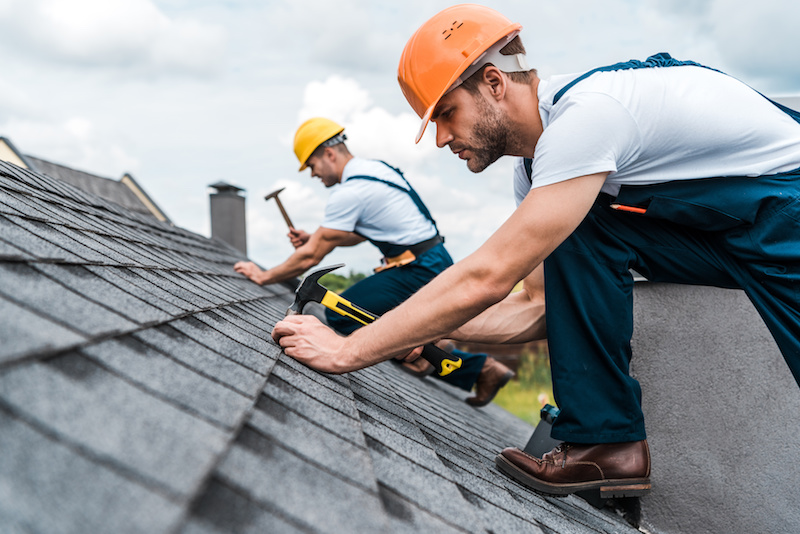
Your roof is one of the most critical components of your home, acting as a shield against the elements while contributing to energy efficiency and aesthetics. However, like any other part of your home, it requires regular maintenance and attention. Recognizing when your roof needs repair or replacement can save you from extensive damage and costly repairs in the long run. Here’s a detailed guide to help you identify the signs that indicate it’s time to take action regarding your roof.
1. Missing or Damaged Shingles
Shingles are the first line of defense against wind, rain, and snow. If you notice any shingles that are missing, curled, or cracked, it’s a clear sign that your roof may require immediate attention. Missing shingles can expose the underlying layers of your roof to moisture, leading to potential leaks and water damage. Regularly inspect your roof, especially after storms, to ensure all shingles are intact.
2. Granule Loss
Shingles are often coated with granules that protect them from UV rays and harsh weather conditions. Over time, these granules can wear away, which may lead to bald spots on your shingles. If you notice granules in your gutters or around the base of your home, it may be time to consider either repairing or replacing your roof. A roof with significant granule loss can suffer from decreased lifespan and effectiveness.
3. Water Stains on Ceilings or Walls
Water stains on your ceilings or walls are a clear indication of a leak, often stemming from your roof. These stains may appear brown or yellow and can be accompanied by peeling paint or wallpaper. If you detect such signs, it’s essential to investigate further. Ignoring water stains can lead to mold growth and structural damage, necessitating more extensive repairs.
4. Sagging Roof Deck
A sagging roof deck is a serious issue that often points to structural problems. This sagging may be caused by prolonged water damage or a buildup of snow and ice. If you observe any dips or sagging areas on your roof, it’s crucial to consult a professional immediately. A sagging roof can compromise the integrity of your entire home, making it imperative to address the issue as soon as possible.
5. Increased Energy Bills
If your energy bills have skyrocketed without any change in your usage, your roof might be to blame. A deteriorating roof can lead to poor insulation, allowing heat to escape in the winter and cool air to seep out in the summer. This inefficiency can result in increased heating and cooling costs. If you suspect your roof is contributing to higher energy bills, consider a professional inspection to determine if repairs or replacement are necessary.
6. Moss or Algae Growth
While moss and algae may seem harmless, their presence on your roof can indicate underlying moisture issues. These organisms thrive in damp environments, and their growth can trap moisture against your shingles, leading to deterioration over time. If you notice significant moss or algae buildup, it may be worth consulting a professional to assess the health of your roof and determine appropriate cleaning or treatment options.
7. Age of the Roof
Every roof has a lifespan, typically ranging from 15 to 30 years depending on the materials used. If your roof is approaching or has surpassed its expected lifespan, it’s prudent to consider a thorough inspection, even if you haven’t noticed any immediate issues. Aging roofs are more susceptible to damage and may require replacement even if they appear to be in reasonable condition.
8. Interior Sunlight
If you can see rays of sunlight peeking through the roof boards when you’re in your attic, it’s a clear sign that your roof has developed holes or gaps. This not only indicates a need for repair but also suggests that insulation and energy efficiency are compromised. Addressing these gaps can prevent further damage and help maintain a comfortable indoor environment.
9. Excessive Roof Leaks
While a single leak may be manageable, multiple leaks across different areas of your roof often signal more extensive damage. Frequent leaks can indicate that your roof is nearing the end of its life, or it may point to larger structural issues. If you find yourself repeatedly patching leaks, it may be time to consider a full replacement to avoid ongoing costs and complications.
10. Contractor Recommendations
If you’ve had a roofing contractor inspect your roof, their recommendations are essential. If they suggest a replacement due to age, damage, or safety concerns, take their advice seriously. Professionals have the expertise to evaluate roof conditions accurately and can help you make informed decisions about repairs or replacement.
Taking the time to monitor your roof’s condition can significantly extend its lifespan and maintain your home’s integrity. Whether you are seeing physical signs of damage or experiencing issues like higher energy bills, being proactive about your roof can save you time and money in the long run. Regular inspections, especially after severe weather, can help catch problems early, ensuring your home remains a safe and secure haven.
 Living Home Design Blog