
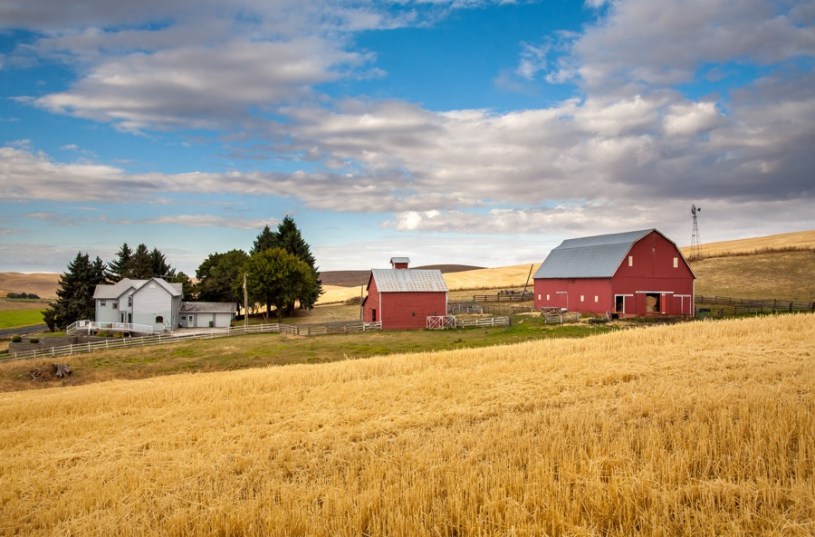
Selecting the right agricultural building for your operation isn’t a one-size-fits-all decision. Every farm has unique requirements based on the type of production, geographic location, and long-term goals. Understanding how different building types align with your specific needs can help you make an investment that serves your operation for decades to come.
Assessing Your Current and Future Operations
Before exploring building options, take stock of your farm’s present situation and where you want to be in the coming years. Consider the types of livestock you raise, the crops you produce, and any diversification plans on the horizon. A building that works perfectly for hay storage may not suit a dairy operation, while a structure designed for equipment might need different features than one intended for livestock housing.
Think about seasonal fluctuations in your operation as well. Some farms need flexible space that can transition between different uses throughout the year, while others require specialized structures dedicated to a single purpose year-round.
Pole Barns for Versatile Farm Operations
Pole barn construction offers exceptional versatility for farms that need adaptable space. These structures feature a post-frame design that allows for wide-open interiors without load-bearing walls, giving you the freedom to configure the space however your operation demands. This makes them ideal for farms that handle multiple functions, from equipment storage to workshop areas.
The relatively quick construction time of pole barns means less disruption to your daily operations. They also tend to be more economical than some alternatives, which appeals to farms working within tight budget constraints while still needing substantial square footage.
Enclosed Metal Buildings for Equipment and Machinery
When protecting valuable equipment from the elements is a top priority, fully enclosed metal buildings provide excellent security and weather resistance. These structures keep moisture, dust, and pests away from tractors, combines, and other machinery that represent significant capital investments.
Metal construction also offers durability against fire, rot, and insect damage. For farms in regions with harsh winters or intense sun exposure, the protective qualities of enclosed metal buildings help extend the lifespan of stored equipment and reduce maintenance costs over time.
Livestock Housing Considerations
Animal welfare and productivity go hand-in-hand, making the right livestock housing essential. Proper ventilation, adequate space, and appropriate climate control vary dramatically depending on whether you’re raising cattle, poultry, swine, or other animals.
Cattle operations often benefit from three-sided or partially enclosed structures that provide shelter from wind and precipitation while maintaining good air circulation. Poultry and swine typically require fully enclosed, climate-controlled environments with specific ventilation systems. When working with providers like Quality Structures, discussing your specific livestock needs helps ensure the building design supports optimal animal health and growth rates.
Specialized Storage Solutions
Different crops and feed types have distinct storage requirements. Hay and straw need protection from moisture but benefit from air movement, while grain storage demands sealed environments with proper ventilation to prevent spoilage. Cold storage for certain crops requires insulated structures with climate control capabilities.
Consider not just what you’re storing, but how you’ll move products in and out of the building. Door placement, interior height, and floor load capacity all factor into how efficiently your storage building functions within your broader operation.
Combination Structures for Diversified Farms
Many modern farms find that combination buildings offering multiple functional areas under one roof provide the best value. These might include equipment bays alongside workshop space, or livestock housing connected to feed storage areas. This approach can reduce construction costs compared to building multiple separate structures while improving operational efficiency.
The key is planning the layout thoughtfully so that different functions complement rather than conflict with each other. Keeping loud equipment areas separate from livestock spaces, for example, reduces stress on animals.
Making the Final Decision
Choosing the right agricultural building type ultimately comes down to matching structure to function. Start by clearly defining your primary needs, but don’t forget to build in some flexibility for changing circumstances. Weather patterns, market demands, and farming practices evolve over time, and a well-chosen building adapts alongside your operation.
Consult with agricultural building specialists who understand farming operations, not just construction. The right partner will ask questions about your workflow, growth plans, and challenges before recommending a building type. This consultative approach ensures you end up with a structure that truly serves your farm’s unique requirements for years to come.
 Living Home Design Blog